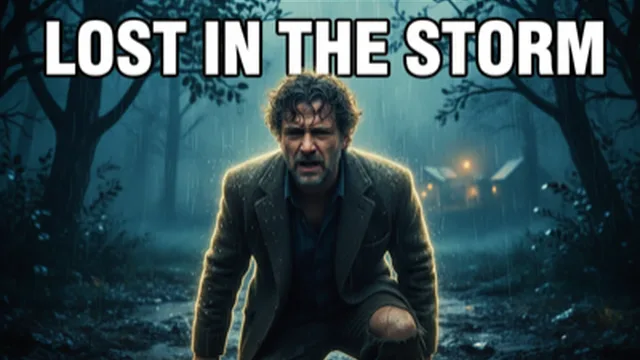
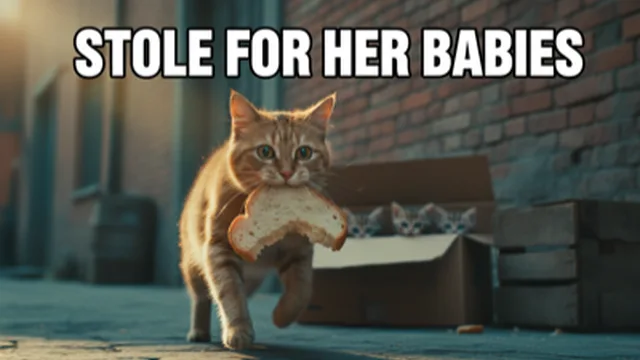
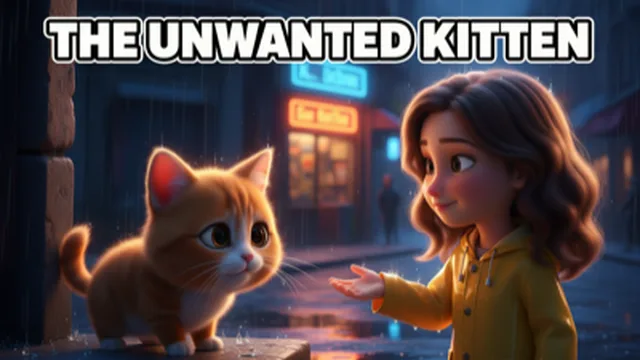
Thumbnails Naravid designed, for episodes it made
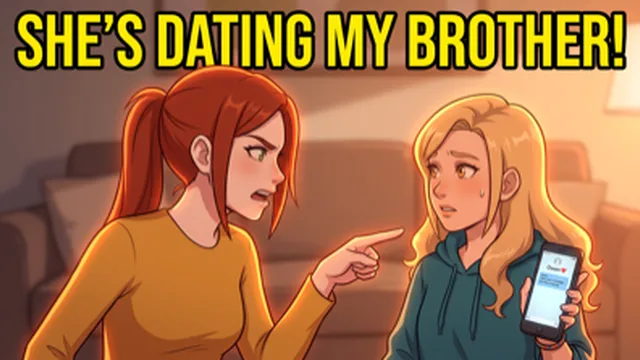
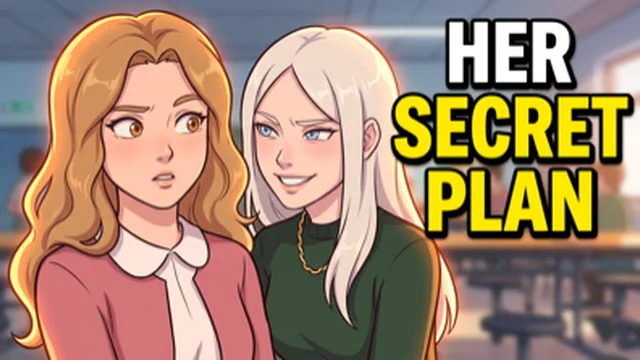
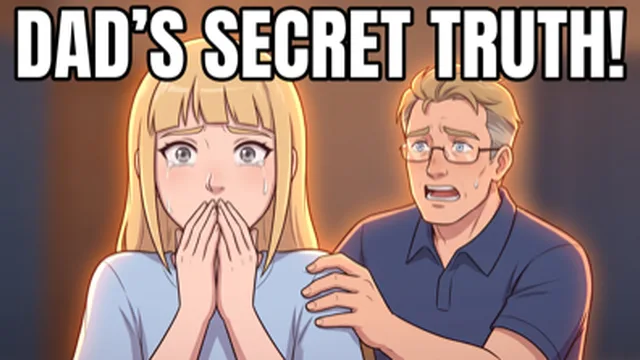
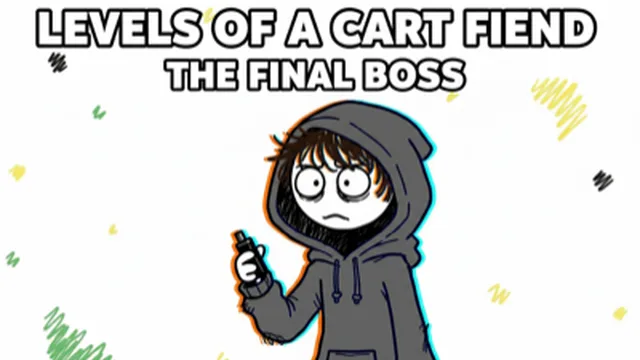
Paste a topic, a script, or a YouTube link. Lara researches what is working, writes the episode, builds the video, designs the thumbnail and publishes it to your channel on schedule.
Story mode. Drawn cast. One take per paragraph. No human editor.
Thumbnails Naravid designed, for episodes it made
She looks for topics that are working right now, writes in your channel's voice, builds the episode and posts it on schedule. You approve. She does the rest.
Find me a topic that's working and make Tuesday's video
Found a video on "dolly parton documentary" with 136× more views than its channel has subscribers. I read its structure, wrote our own take, and borrowed its thumbnail's look. Rendering now. It publishes Tuesday 18:00 unless you stop me.
Seven steps. You do not touch any of them unless you want to.
Same pipeline, same voice, same captions. The difference is where the pictures come from, and it is the difference between a video costing eight dollars and one costing one.
Storytime, AITAH, horror narration, kids' stories. Describe the cast once and the faces, outfits and art style stay locked across every scene of every episode. The thing that makes AI videos look amateur, solved.
About seven dollars of credits on the Starter plan.
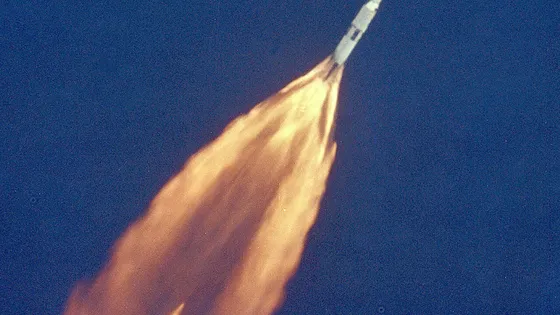
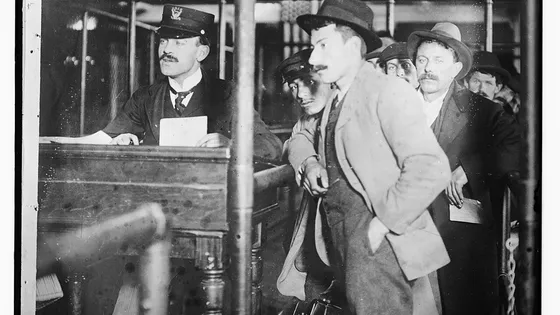
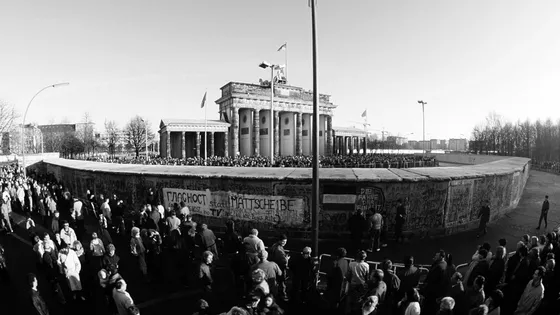
History, commentary, explainers, anything about a real subject. Lara plans the searches, looks at every candidate, and assigns one picture per line so none repeats within three scenes. Every source is listed on a public page for the episode.
Under a dollar. Best for real subjects: fiction has no photographs, and a search for one returns a stranger.
No template shelf. A model writes each graphic as code for that one moment, in your channel's colours, so the number on screen belongs to your video and to nobody else's.
A documentary turns them on by default, a bedtime story leaves them off, and either can be switched.
A clean, simple edit, made by AI, of the kind that carries a narrated faceless channel. Here is exactly what that includes and what it does not, so nothing surprises you after you have paid.
Whole videos, start to finish, with nobody editing them.
Reviews left inside the product, by people paying for it or trying it.
Every plan is a monthly pot of credits. Credits buy images, narration, caption alignment and the render, so what a plan is worth depends on which mode you use. Both counts are below, and both are measured on real runs, retries included.
Run your first channel.
billed monthly
~4 drawn videos or ~40 photo videos
five minutes each, per month
Publishing two or three times a week.
billed monthly
~10 drawn videos or ~100 photo videos
five minutes each, per month
Several channels, publishing daily.
billed monthly
~26 drawn videos or ~240 photo videos
five minutes each, per month
Agencies running a shelf of channels.
billed monthly
~65 drawn videos or ~600 photo videos
five minutes each, per month
Drawn and photo modes, every art style and voice, motion graphics, stock footage, moving shots, karaoke captions, thumbnails, teammates, API keys, and Lara publishing on schedule. Plans differ in credits and channels, nothing else.
One-off credit packs at $10, $25 and $50. A ten-minute video costs about twice a five-minute one.
No marketing licence kept on what you generate. We never train models on your content. Cancel and it stays yours.
It draws original characters, and its documentaries use real photographs exactly as they are. It is not a likeness tool, and it is built so it cannot become one.
We strictly prohibit the generation of images, videos or audio impersonating celebrities or other real people. There is no face-swap, no likeness generation and no voice cloning in the product. Narration uses a fixed set of synthetic voices, and characters are drawn from your written description, never from a photograph.
Where a documentary shows a real person, it does so with a genuine photograph used as it is, never a generated likeness.
Photo mode searches public archives and the open web, and every picture it uses is listed on a public sources page for that episode: the title, the site it came from and what that site says about reuse. Wikimedia Commons and Openverse are licence-filtered at the source; open web results are not, and the product says so on the picture and on the page.
You are the publisher of your channel, so the sources page is there for you to check before a video goes out.
Every character is an original illustration built from the cast description you write: stickman, illustrated, anime, comic or storybook. Generated art is drawn animation. Naravid does not offer photorealistic human image generation, and photographs of real people are not accepted as art-style references.
Every image is generated through Google's models with safety filtering active across harassment, hate speech, sexually explicit and dangerous-content categories, and scripts are written through the same provider, which applies its own. Blocked prompts fail rather than render.
Impersonation is prohibited without exception in our Terms of Service, and accounts attempting it are suspended. Questions: support@naravid.com.
On the $39.99 plan, about four drawn five-minute videos a month, or about forty five-minute documentaries in photo mode. The gap is the pictures: a drawn scene costs 100 to 350 credits, a found photograph costs 10. Those numbers come from real runs on this product, retries included, not from a clean-run calculation.
Motion graphics, yes. A model writes each one as code for the line it sits on, so the numbers, names and diagrams in your videos look like your channel and nobody else's. It can also take real stock footage for the shots a still cannot hold, and animate drawn shots into short clips when you ask, so characters walk and gesture. They never speak on screen, because the narrator carries every word. There is no 3D.
Videos about something real. A documentary about a musician, a city, a war, a company. The subject is a real named thing, so consistency comes free: every photograph of that person is that person. It is ten times cheaper than drawing the scenes, and every source is credited on a public page. It does not suit fiction, because fiction has no photographs.
We strictly prohibit the generation of images, videos or audio impersonating celebrities or other real people. Naravid has no face-swap, no likeness generation and no voice cloning. Documentary episodes about real subjects are different: they use real photographs, as they are, credited publicly, never AI likenesses. Accounts attempting impersonation are suspended under our Terms of Service.
No. You write or paste the story, or hand Lara a topic. Naravid does the scenes, voice, captions and assembly. You can adjust any of it, but the default output is ready to upload.
Yes. Stickman, illustrated, anime, comic, storybook and explainer. Pick a preset, or upload art-style references and every scene is rendered to match. Style references only: photographs of real people are not accepted.
Yes. Connect your channel and Naravid publishes the video with its title, description, tags and thumbnail, now or scheduled. Tell Lara to post them herself and she will, on the days and times you set.
You do. Once the credits are paid, the finished videos and assets are yours to use commercially, on YouTube or anywhere else.